Applications
Die-cast components for the equipment people depend on.
Representative applications show the type of component and end-use environment we support. Each new project is reviewed against its actual drawing, function, volume and quality requirements.
Terminal applications
Components connected to their working environments.
From portable power to outdoor and marine equipment, these visuals help buyers see the application—not just the component.
.jpg)
General power, water pumps & marine
Engine cases and covers for agricultural machinery, water-pump systems and marine power.
.jpg)
Snow & outdoor power
Crankcases and covers for winter and general-engine platforms.
.png)
Inverter generators
Crankcases and covers for portable inverter-generator systems.
.png)
Portable power supply
Representative engine and generator components for power-supply equipment.
.png)
Boat power
Representative core components for marine engine platforms.
The component images and end-use visuals are representative. Customer drawings, part numbers, tool designs and commercial terms are handled as project-confidential information.
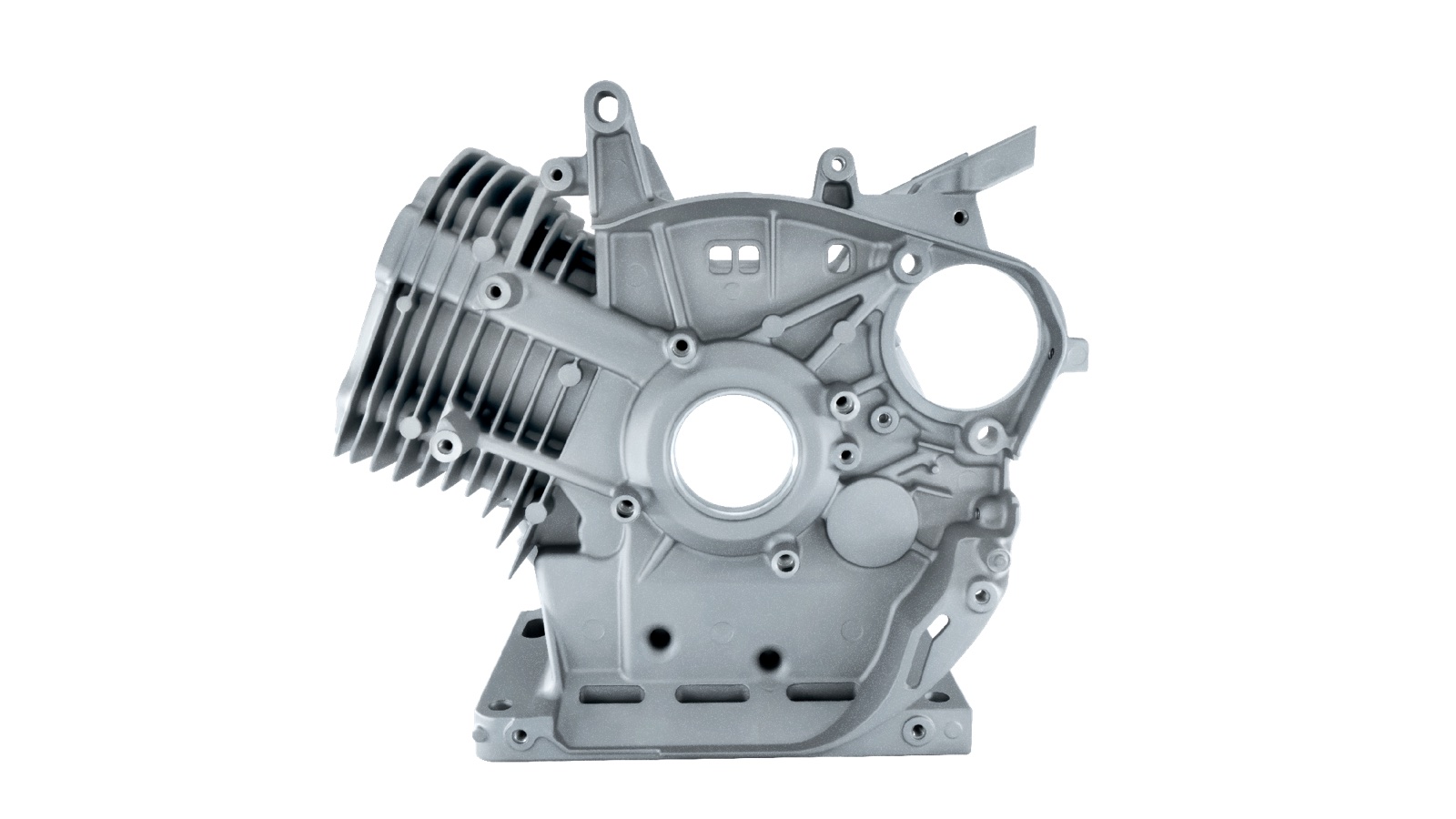
General power engines
Crankcases and covers for snow blowers, lawn equipment, tillers, water pumps and related engine platforms.
Explore engine cases →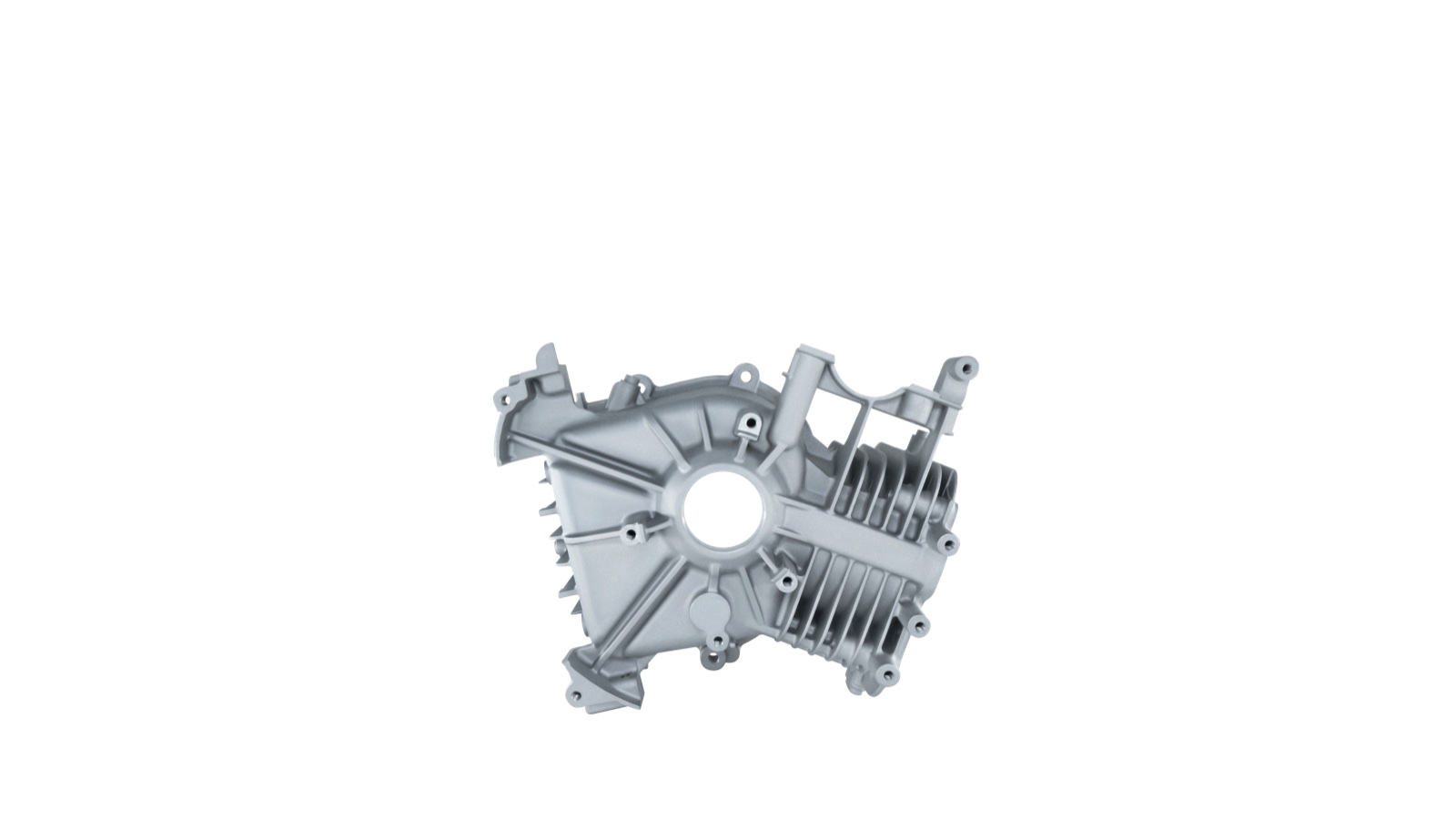
Generator components
Die-cast crankcases, covers and motor-side components for inverter and conventional generator systems.
Explore generator parts →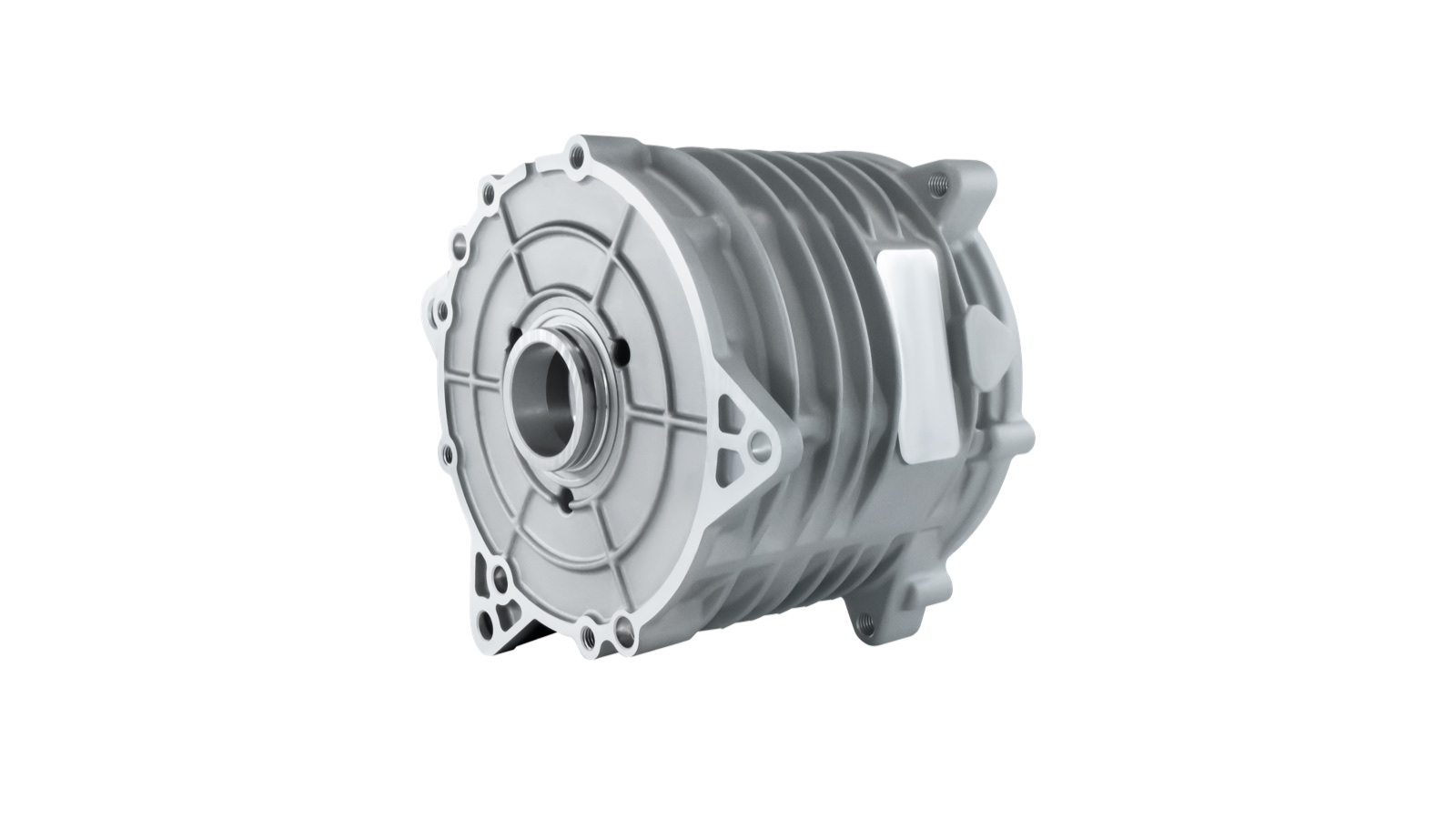
E-motorcycle motors
Representative e-motor housings and end covers for electric-motorcycle powertrains.
Explore motor housings →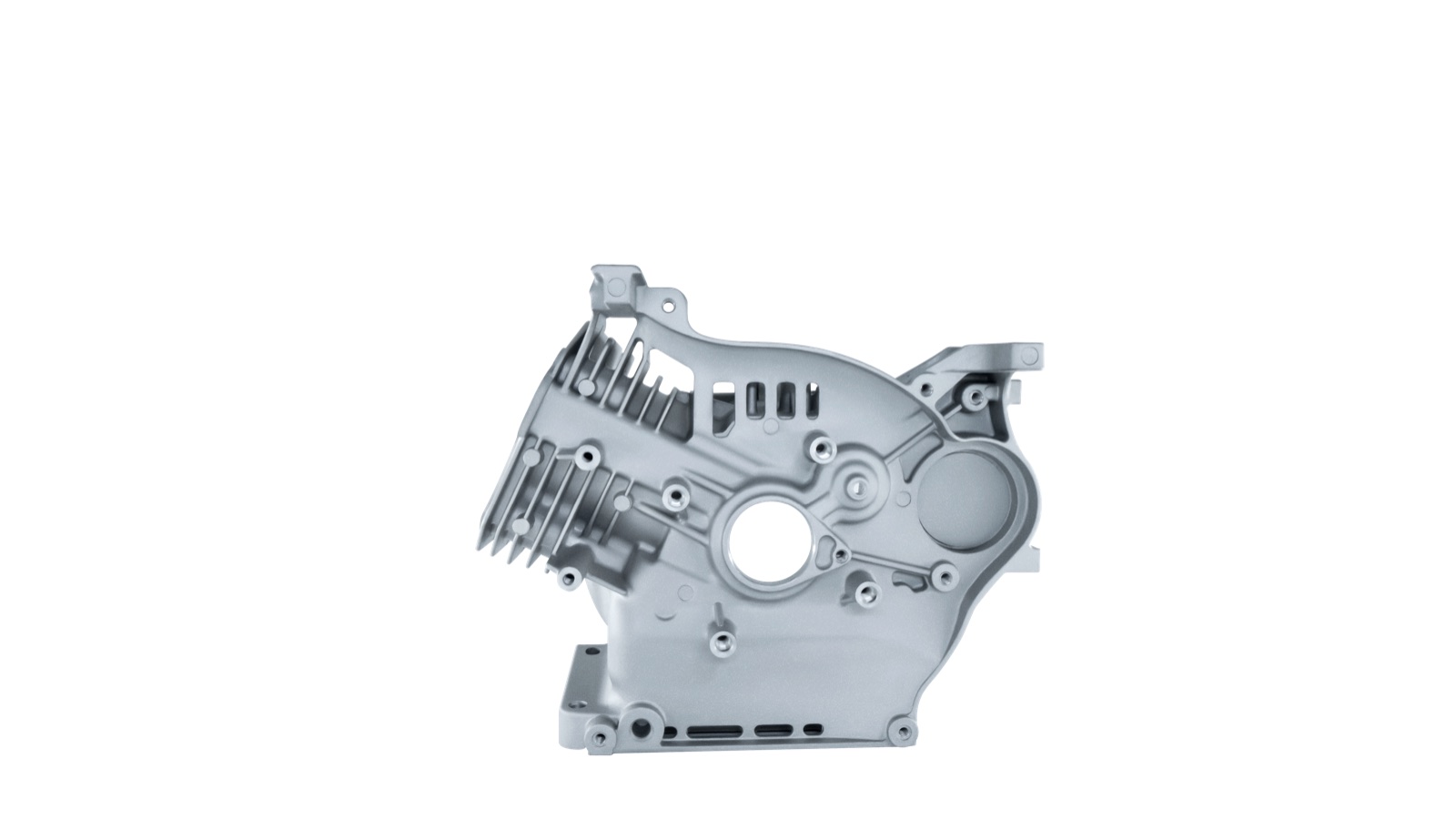
Marine power
Aluminum engine cases and covers for outboard-engine and marine-power applications.
Explore engine cases →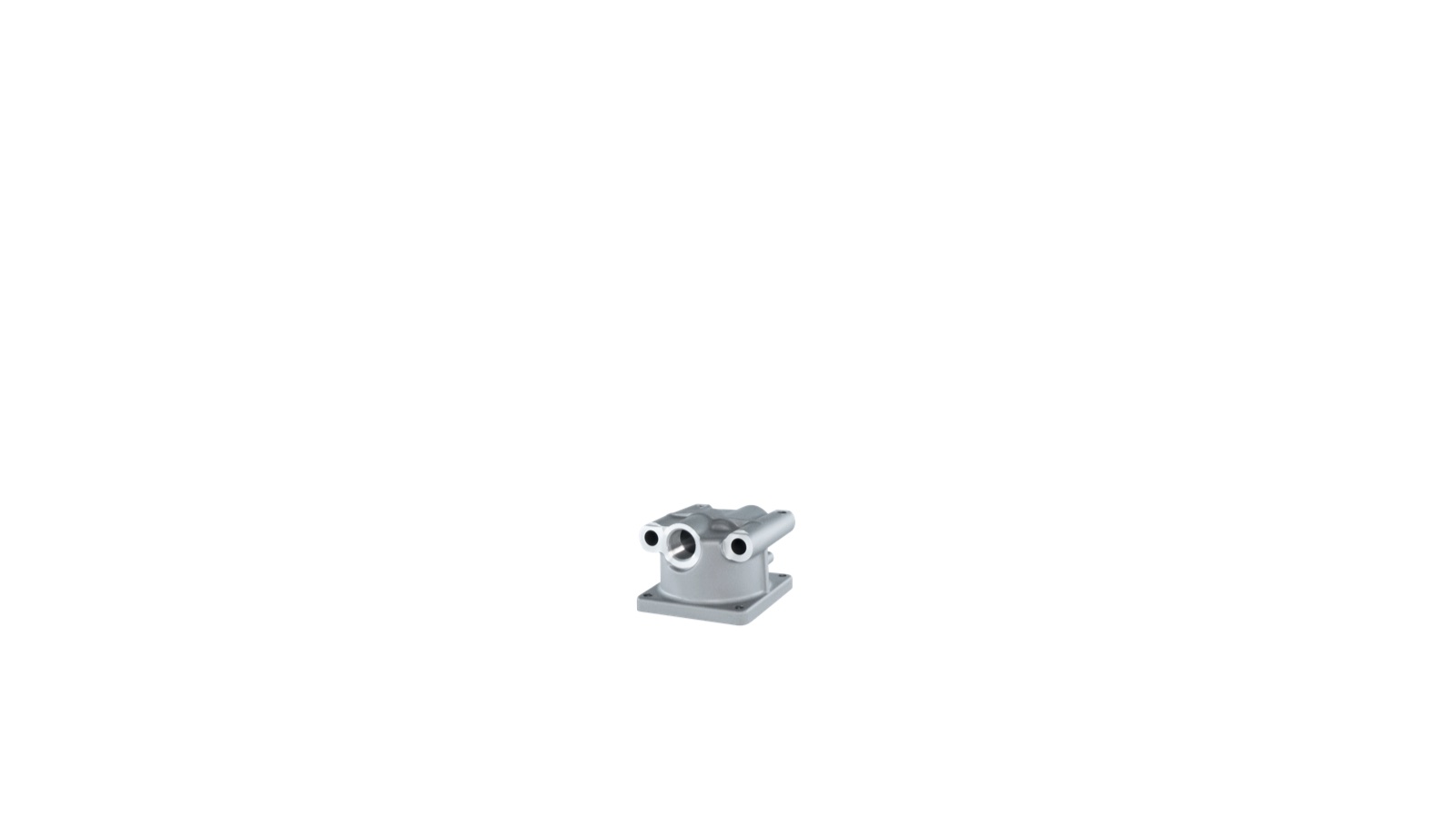
Commercial vehicles
Precision die-cast proportional-valve housings for commercial-vehicle retarder systems.
See case studies →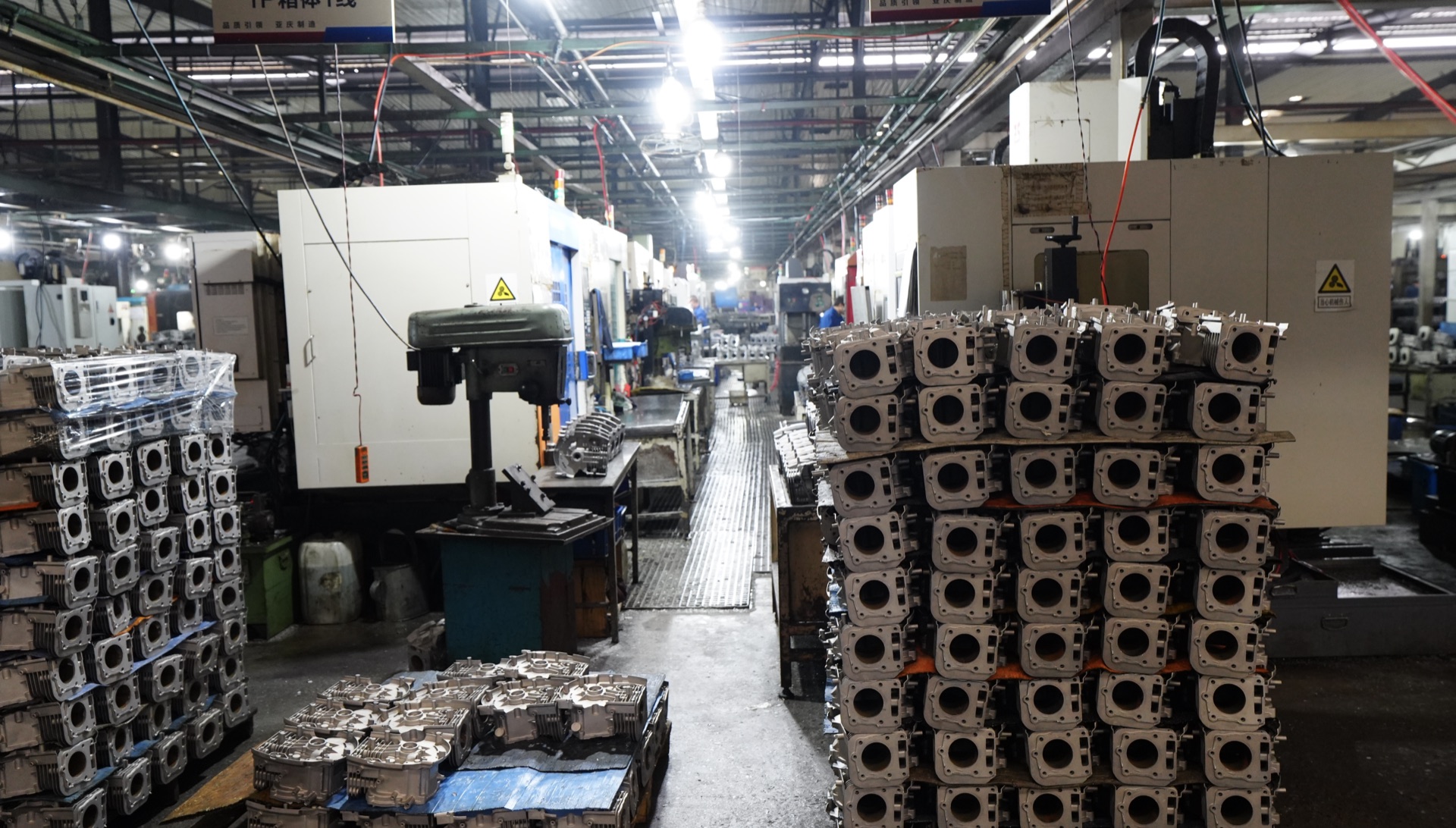
New OEM programs
Bring your own drawing, specification and volume forecast for a technical feasibility review.
Review capability →Have a component outside these application groups? Send the drawing anyway. Our engineers will assess material, casting feasibility and the required secondary operations.
Technical review begins with your drawing, model or sample.Request a DFM review