Aluminum die-cast product family
Generator components made for repeatable power equipment.
Representative crankcases, covers, supports and end covers for inverter and conventional generator systems from 1 kW to 7 kW applications.
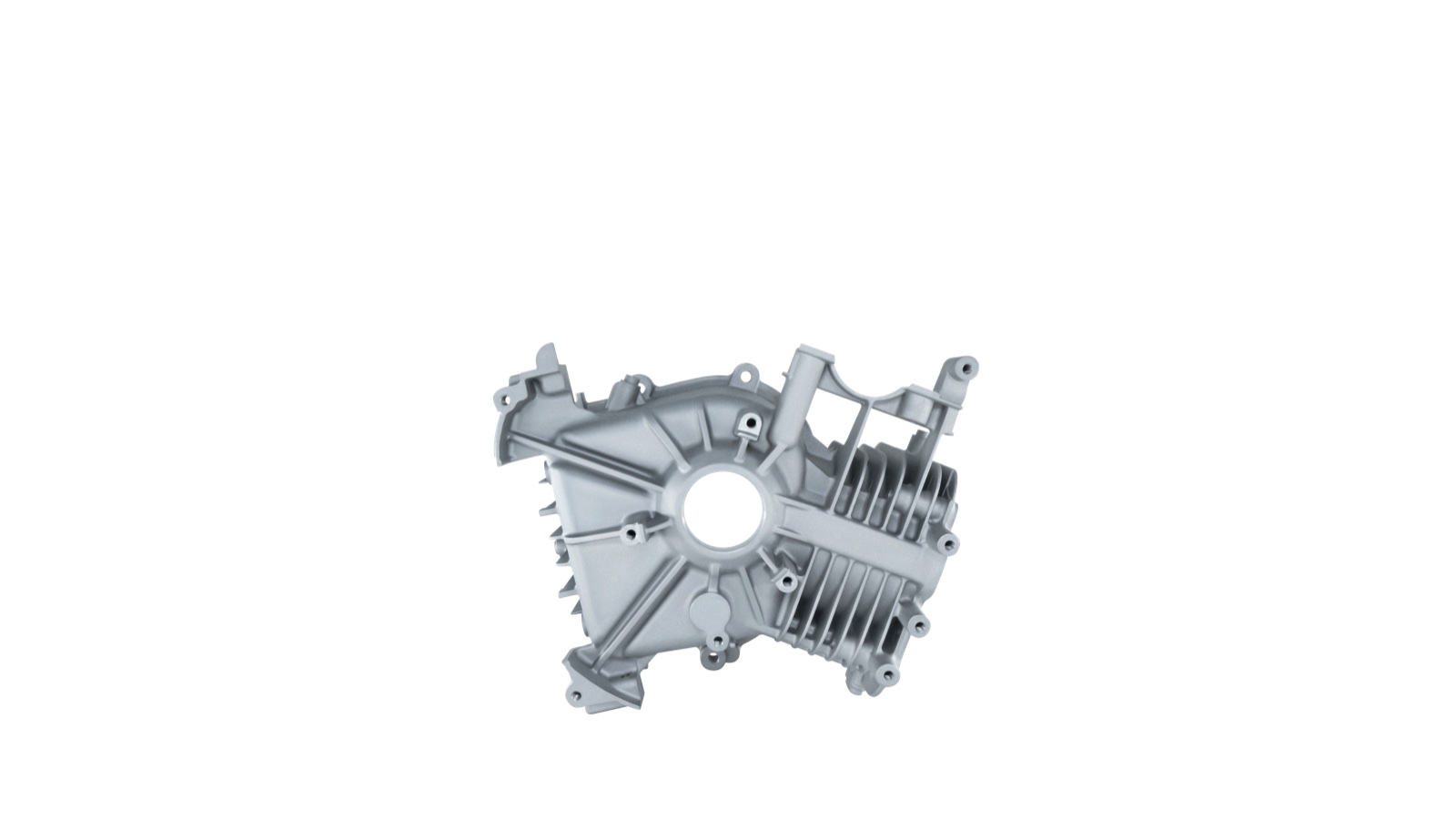
Crankcases & covers
Representative H122i, H175i, H340G and WM148F component series for inverter-generator systems.
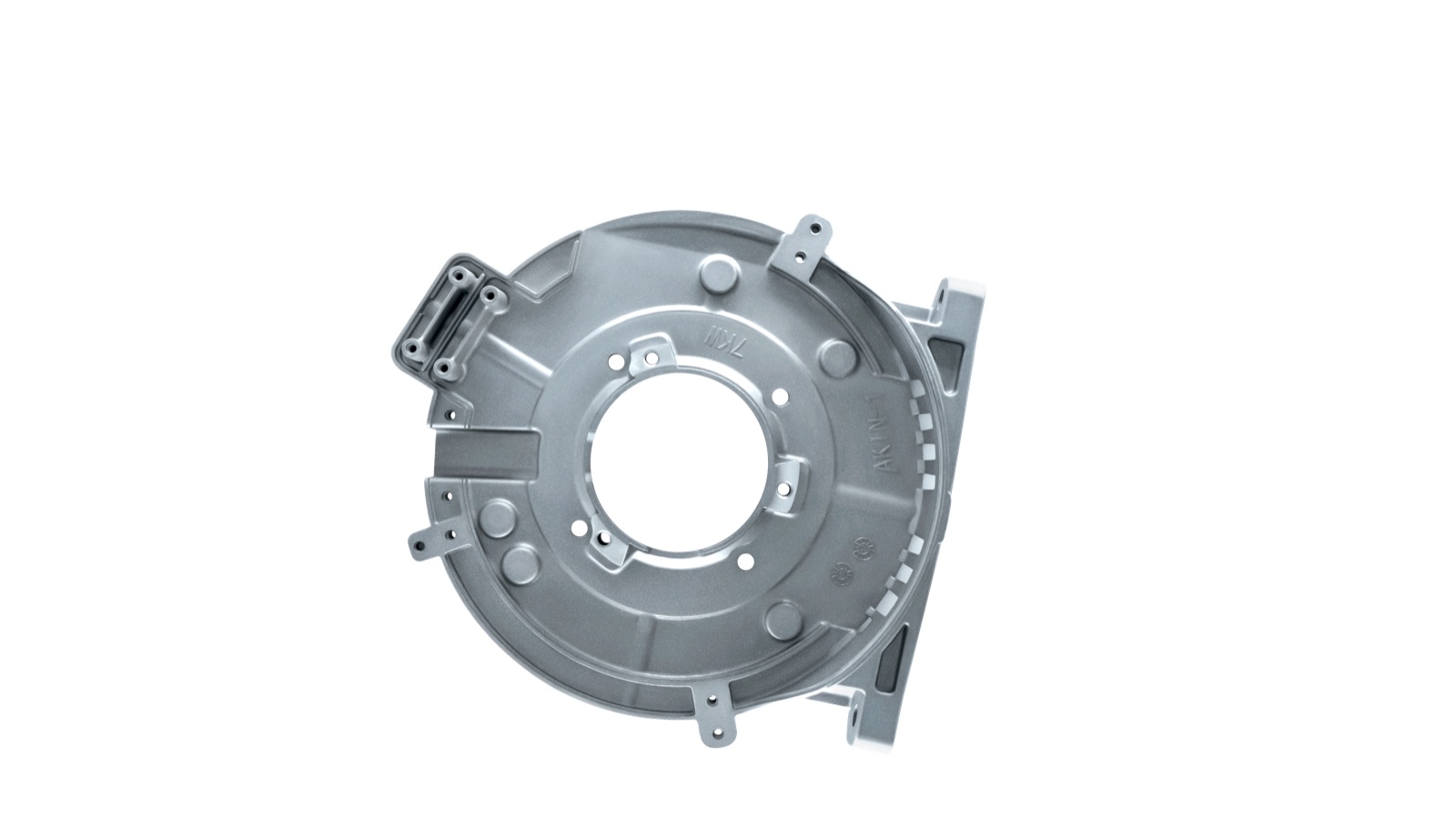
Motor-side components
Representative 2–7 kW covers, end covers and supporting components for generator assemblies.
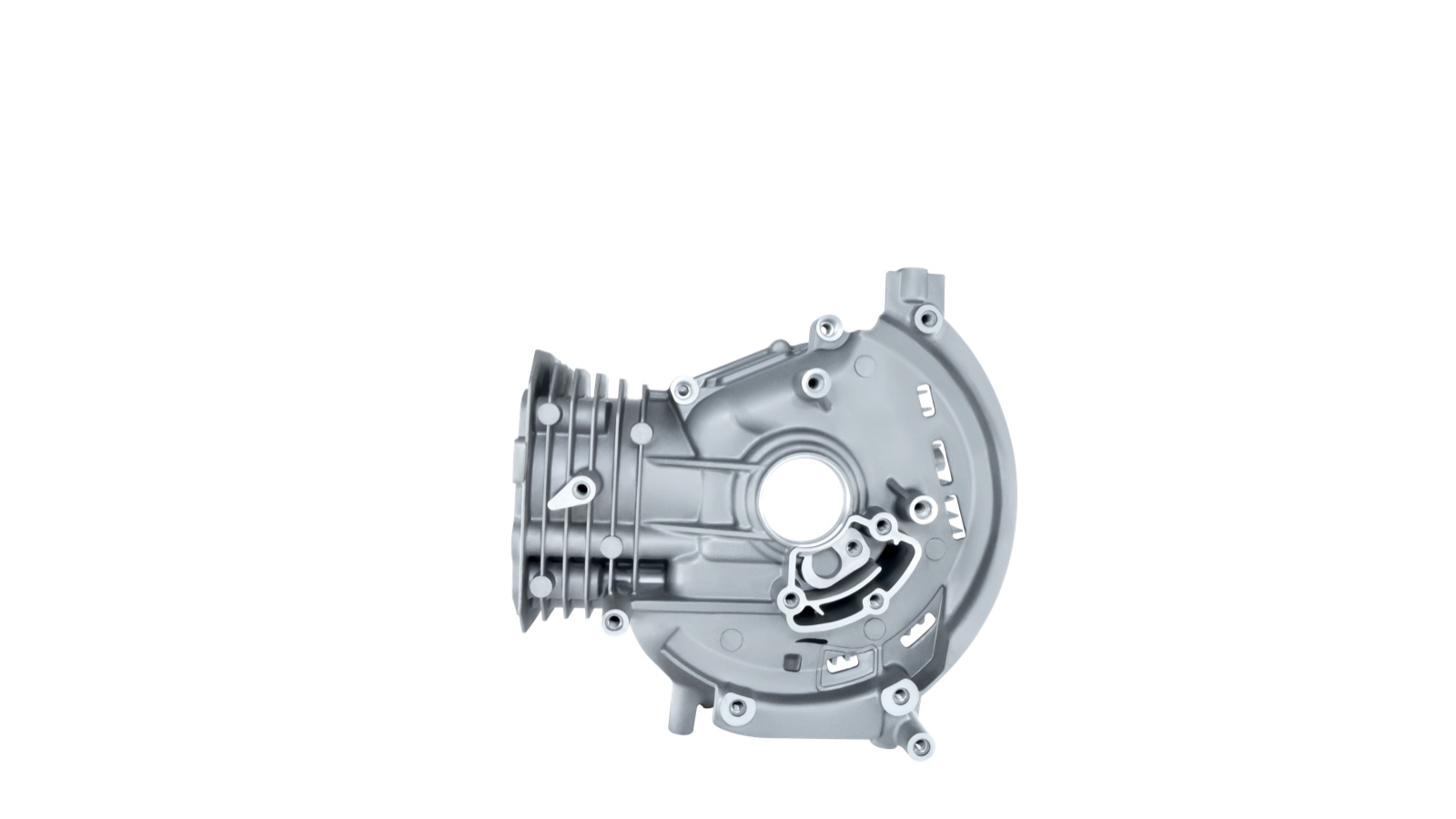
Engine-side cases
Die-cast engine crankcases and covers for generator-engine power platforms.
Inverter-generator applications
A component must work with the whole power system.
Generator applications commonly depend on the relationship between cast geometry, machined interfaces, sealing requirements and end-use assembly. We plan the route across casting, deburring, machining, cleaning, inspection and packing.
- In-house mold development, die casting and CNC machining
- Critical-feature inspection through CMM capability
- Leak testing where the product specification calls for it
- Outgoing inspection reports and customer-specified documents available
.png)
.png)
Conventional generator systems
From component family to finished system.
The supplied end-use visuals demonstrate fit and purpose. They do not replace a project-specific review of the drawing, critical dimensions, demand and documentation requirements.
- Support for 1–7 kW inverter and conventional generator applications
- Typical ±0.02 mm precision in defined machined features
- ADC12 die-casting material control
- Secure project review through an NDA or exclusivity agreement when required
.png)
Designed around the actual requirement
New project? Start with the interface, demand and finished requirement.
We use representative visuals to demonstrate process capability. For a new program, the drawing and functional requirements determine the engineering route—not an existing catalogue model.